How to Celebrate Lunar New Year as a Local
Spring Festival is the most significant across the annual celebrations of China, which represents the first day of the New Year according to the Lunar calendar which falls between late January and mid-February. It is an over 4,000-year-old tradition that is deeply ingrained in agricultural patterns as well as ancient legend. A prevailing legend exists that there once existed a mythical creature “Nian� that would emerge on the night preceding the New Year and raze villages—until it was discovered that it was afraid of noise, light, and red. Firecrackers, lights, red flags—these are still the essence of the festival today, but as symbols for happiness and good fortune and no longer for terror.
Once, the Spring Festival followed farm labor after months and was a period of ancestor worship for families. Nowadays, it is still a day of celebration of reunion, but on a very much broader canvas. Consider the largest annual migration of human: hundreds of millions of human beings who leave their cities and jobs and go home to their hometowns during the New Year period to eat the tuan yuan fan, or the reunion dinner, on New Year Eve. It is an extravagant, symbolic, and plentiful meal with food items that hold hopes of the new year. In the north, there could be dumplings in the form of ancient gold ingots, which are believed to attract money. In the south, sticky rice cakes (nian gao) symbolize more success.
More than 15 days are celebrated and every day has a tradition. In the start, one pays visits to elders and greets the new year with best wishes. The fifth day called Po Wu is the day firecrackers are set off to scare away evil. The Lantern Festival marks the conclusion of the festival as the cities and villages are illuminated with the glowing red lanterns and streets are packed with dragon and lion dances.
Being a foreigner, the charm of Spring Festival is its diversity. In Beijing, you are offered temple fairs where folk performances, sugar craft, and indigenous street food recall memories of the past. Very much sought after is the ancient Ditan Park Fair with cultural presentations and Chinese acrobats. In Guangzhou, there is flowering market in streets and parks—locals believe purchasing flowering plants during this season is a sure sign of good fortune. In Harbin, north China, you can overlap the New Year celebration with Harbin’s Ice and Snow Festival, where gigantic lighted ice sculptures form an ice city within a lighted ice utopia.
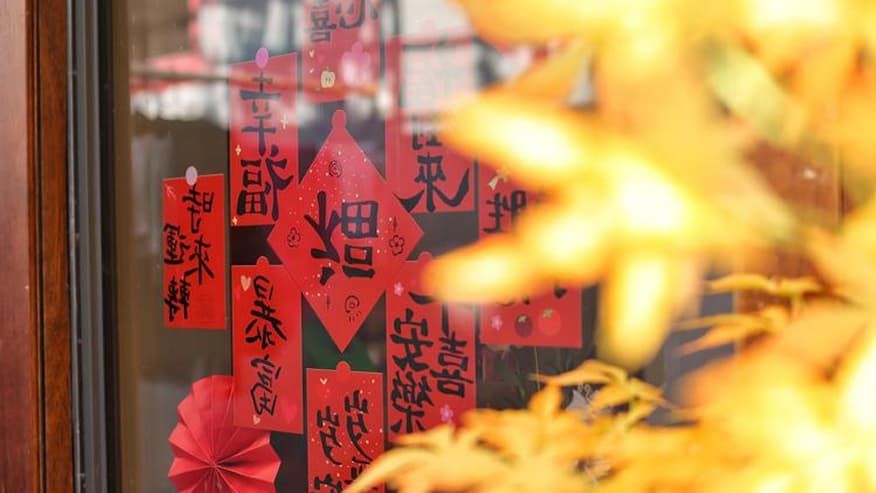
Out in the villages and on the farm, the customs become closer and zestier. In Shaanxi province, there can be performances of shehuo, a lively combination of drum dance, stilts and costumed parade. In Fujian seaside villages, there can be magnificent processions honoring sea gods, combining New Year festivity and native tradition. In Guizhou Miao villages, the festival is one of silver adornment, song, and dance, and provides a vastly contrasting cultural aspect to the festival. Spring Festival is as much about little things you notice everywhere. Poetic eulogies in the form of red paper couplets on doors; red packets of lucky money handed over by the elderly to children; restaurants and shops have golden impressions of the zodiac animal of the year—rabbit, dragon, or ox. Incense wafts through the air, and at nightfall, skies are filled with fireworks, making a picturesque backdrop to the new year.
When you’ll be in China at Spring Festival, be prepared to get cozy—over the weeklong winter break and out of Chinese hearts. Though tourist spots are jammed, during the period local families bring in relatives and equals in, and as part of the host family, you can be asked to share a meal together, to help cut dumplings, or to participate in an old-fashioned New Year’s greeting.
What is so memorable about the festival is that it is a manifestation of the ancient and the modern. You could observe a 1000 year old lion dance in a city plaza, and even encounter kids around playing with LED-lit rabbit lanterns. One day you are in a rustic courtyard eating hand-pulled noodles and the next day you are at a brilliant fireworks display over the skyline of skyscrapers.
Spring Festival is not simply a holiday, but a living cultural tapestry of the past, of fable, of family, of local ingenuity. To the tourist, it’s not simply a way of viewing China at its best, but of feeling the rhythm of its tradition. Whether you stroll one lamp-post-lined boulevard, hear the rumble of one drum resound within a temple festival, or simply share dumplings with new acquaintances, you are stepping into the same joy that has carried through thousands of Chinese New Years before.