Journey to China’s Legendary Kung Fu Heartlands
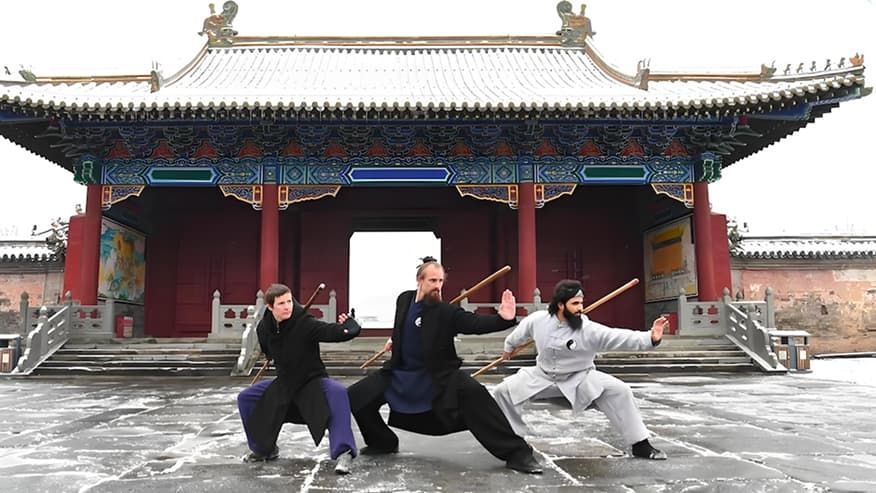
Ready to kickstart an unforgettable adventure? Join me on a vibrant journey exploring the true heart of Chinese Kung Fu culture—places where tradition, skill, and history come alive. Whether you’re a martial arts enthusiast or simply curious about this fascinating world, you’re invited to discover the power and charm of China’s Kung Fu hometowns.
1. Wenjiang District, Chengdu: The Soothing Start
Begin your journey in Wenjiang District of Chengdu, Sichuan Province, maybe somewhere you would not necessarily first think of Kung Fu perhaps, but the perfect place to begin. Chengdu itself, a UNESCO City of Gastronomy, accommodates laid-back teahouse life beneath modern-day living. Here you will spend your days kicking back in time zone, sipping steaming bowls of dandan noodles and getting accustomed to the slow Sichuan pace as you prepare to dig deeper into the origins of Kung Fu.
2. Dengfeng, Henan: Where Shaolin Lives
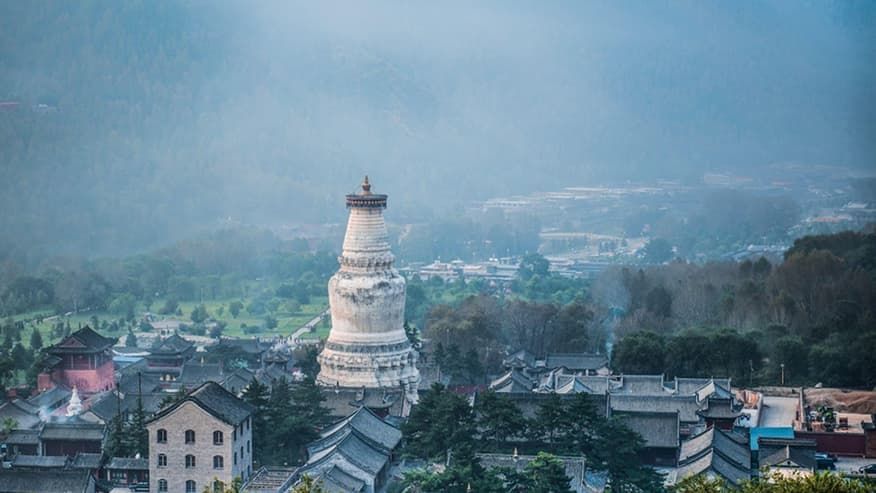
Continue back up north to Dengfeng, at the base of the Songshan Mountain in Henan Province the real Shaolin Kung Fu birthplace. Its Shaolin Monastery (more than 1,500 years old) still remains an operational Buddhist temple and martial arts center. You will cross the world-renowned Shaolin Temple Gate, observe monks, as they train their famous acrobatic techniques of the so called Iron Palm, and watch liquid and flowing movements with lightning-quick moves.
Nearby, the Shaolin Temple Scenic Area offers such draws as the Pagoda Forest, which is dominated by centuries-old funeral towers, and the Martial Arts Academy where morning practice students hone their skills. You can even take a beginner’s workshop—just a few gentle corrections and you’ll be leaning into the philosophy of “jing� (refined spirit), “qi� (vital energy), and “shen� (spirit) infused in every movement.
3. Qufu, Shandong: Philosophy Meets Movement
Out of martial discipline, turn north west to Qufu- home of Confucius. In this case, Kung Fu is not only about strikes and kicks; it turns into something expressing harmony, balance, and ethical concentration. Touring the Confucius Temple, Confucius Cemetery, and Family Mansion, you will get to know the way Confucianism edifice of respect, ritual and equilibrium permeate martial arts civilization all over China. It makes a little impact, yet such a big one- a concept right out of philosophy that links the physicality of Kung Fu with culture.
4. Foshan, Guangdong: Southern Style Flourishes
Fly south to Guangdong Province and the city of Foshan, a place most famous for its connection to Wing Chun and its greatest mythic ambassador, Ip Man (Yip Man). His former residence—a museum today—invites you into the humble room where Bruce Lee studied under Ip Man’s own hand. There are wooden dummy (muk yan jong) replicas, Ip Man’s handwritten recipes, and old photos. Nearby, the Dragon & Tiger Pagoda-style Kung Fu Cultural Centre hosts exhibitions of southern styles: Wing Chun’s hand-to-hand power, Choy Li Fut’s wide-ranging energy, and Hung Gar’s stances planted firmly in the ground. The synchronized ring of wooden staves and gentle slapping of palms call forth both grace and punch.
5. Shanghai: Modern Culture and Kung Fu Cinema
Finally, arrive in Shanghai, where tradition and innovation are blended. Go to the Shanghai Film Museum to follow Kung Fu cinema’s ascension—from Shaw Brothers oldies to the hot martial ballet of Jet Li in films such as Once Upon a Time in China. Watch a live show at a Kung Fu theatre, where acrobatic action, lighting effects, and calligraphic projections integrate movement with contemporary narrative. It is dynamic, immersive, and demonstrates how Kung Fu grows as both art and spectacle.
Why This Tour Inspires
1. Authentic Roots, Real Places: They’re not make-believe locations from the film. Shaolin Temple in Dengfeng, Ip Man’s Foshan residence, Confucius sites in Qufu, and Shanghai’s cinematic heritage are all real and living cultural sites.
2. Living Traditions: You’ll see real monks, students, locals living out their daily lives—not staged “tourist spectacles.�.
3. Philosophical Depth: Kung Fu isn’t just physical. You’ll feel its deeper cultural currents—from Buddhist mindfulness to Confucian ethics, from southern pragmatic self-defense to cinematic storytelling.
4. Modern Context: You’ll see how Kung Fu stays alive—through schools, museums, performances, and daily life—rather than as a static relic.
A Final Invitation
This isn’t only traveling—it’s being invited to walk, to feel energy, to stand long and rooted, to see backward through centuries of discipline. Walk in shaded mountain monasteries, stand where champions trained, breathe philosophy, and see Kung Fu’s heritage flow into tomorrow. Get your spirit—and your senses—ready for a cultural adventure that kicks in on all fronts.