Safe and Flavorful Eating in China with Allergies
Travelling around China would be heavenly on the senses, but what about living with food allergies and having to encounter all these unknown dishes? The silver lining is that it is possible, with planning and diligence, to live in China and maintain access to an awesome food culture. Here is how to have the safe and delicious travel.
Understanding Food Allergies in a Chinese Context
Allergies to food are becoming increasingly common in China. City restaurants will be trained to deal with special diet requirements when serving foreign tourists, whereas staff members in small towns may be less familiar with special requirements when dealing with an allergy. That is why it is particularly worthwhile to pick up on some important strategies and communication tools before you go.
Common Ingredients to Watch Out For
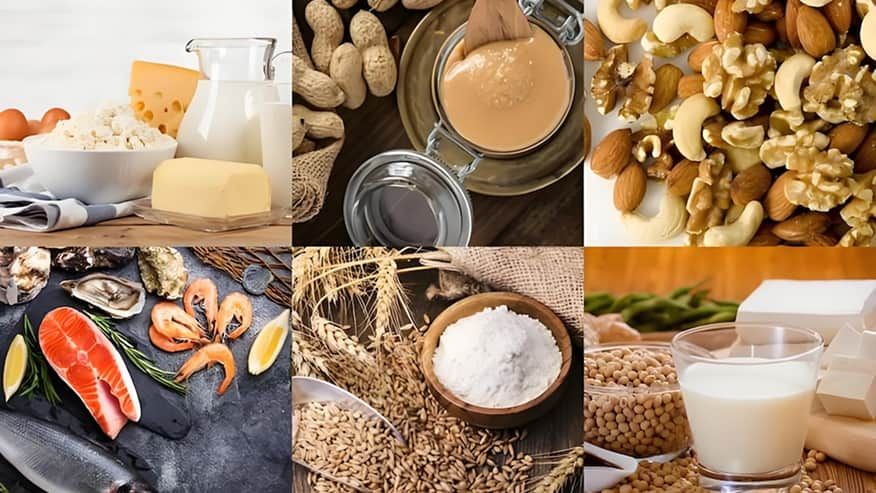
The Chinese cuisine is varied, yet there are a number of ingredients that feature extensively throughout the regions. Soy is used everywhere, from soy sauce to tofu and bean curd skins and fermented pastes. Other nuts such as peanuts are also common especially in Sichuan cuisine usage where peanut-based sauces are very common. Sesame appears in oils or pastes and toppings. Another common food along the seashores is that of shellfish, which is usually added to the broths, stir-fries or dumplings. Looks are often deceiving: the food may appear to be very simple, but secret ingredients might include oyster sauce or shrimp paste as flavorings.
Preparation of Allergy Cards in Chinese
Another very useful item when traveling with an allergy is a Mandarin food allergy card. These cards indicate precisely that you have allergies, how bad, and what to avoid by listing foods. In another example, you may put in your card that: “I am allergic to peanuts; it is severe. A little will make me quite ill. Please do NOT use peanuts, peanut oil, or peanut sauce.� Presenting it to restaurant workers reduces the likelihood of miscommunication and makes the message be taken seriously.
Communicating with Restaurant Staff
At larger restaurants and hotels, some of the staff might speak English but in most local restaurants communication will be limited to the Mandarin language. It is helpful to know some words such as “I cannot eat…� (wo bu neng chi…), followed by the name of the allergy. Use this together with your allergy card for clarity. Be polite but firm, and in the event that you see some hesitation from the staff, it will be best to choose an alternative dish or restaurant.
Exploring Safer Dining Options
Certain dining styles naturally offer more control over what goes into your meal. Hotpot restaurants, for example, allow selection both of stock and individual items that may allow evading allergens more easily. Buffets and canteens within hotels display their selection in English that might be reassuring. Street food stalls—however enticing—are riskier due to cross-contaminations and less freedom to select.
Regional Considerations for Allergies
Various regions of China have varying ingredients. In Sichuan and Hunan, strong flavors normally depend on chili oils blended with peanuts or sesame. Along the coast, seafood plays the primary role: in Guangdong and Fujian. In the north, food is based more on wheat production where its staple foods include dumplings and noodles, making it essential in the diet of gluten-intolerant persons. With these tendencies in mind, you can better plan your eating where and what to eat more safely.
Practical Tips for a Smooth Experience
Having required drug relief like antihistamines or an epinephrine auto-injector with them is important, as you cannot always find a familiar drug brand in the pharmacy. When reserving facilities, it is preferable to stay in hotels that have an international experience since they are likely to be more considerate of the diet. Food tours that come with guides provide another option for experiencing the local food with increased assurance since the guides may be able to speak to vendors and cooks.
Balancing Caution with Curiosity
So long as discretion is employed, allergic problems should never prevent anyone from experiencing the variety of Chinese cuisine. Most of the classic foods actually can be modified, and the cooks themselves welcome the interest in their cuisine when special needs are explained properly.
A Journey Made Possible with Awareness
Management of food allergy when traveling to China is about preparation, communication, and adaptability. And with those, having meals would be done with the confidence that you get to enjoy the culture. This is not about restricting the trip but complementing it with safe yet experiential dining.