Every Bite Tells a Story in China
Enter any Chinese kitchen and it will soon be clear that food is much more than just a means of subsistence. Every plate is full of centuries of history, tradition and hope and represents an edible tapestry of culture, which is to be explored.
The Language of Lucky Foods
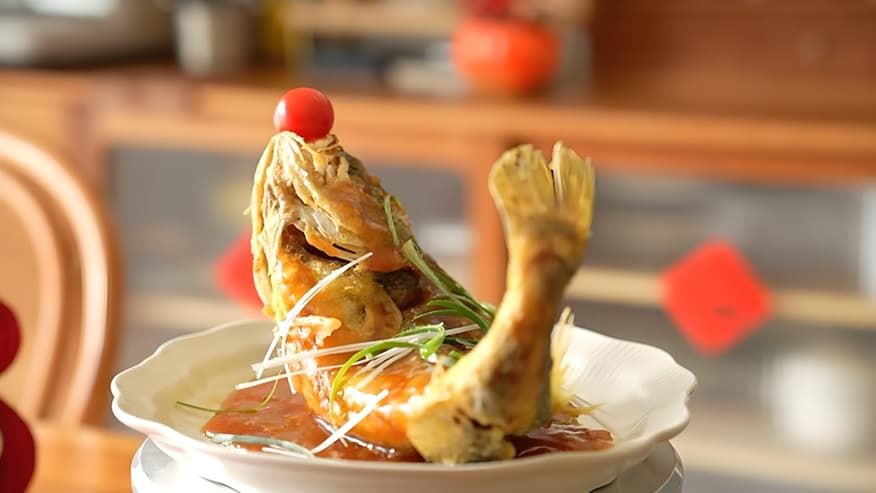
Chinese cuisine is a language of symbols, and nowhere does it reveal itself more than during Chinese New Year. Visit any Beijing market in late January, and you’ll find families picking over fish for their reunion feast. “Yu,� the Chinese character for fish, is the same as the character for “surplus,� so entire steamed fish must be served to represent abundance. The fish must also be served head and tail intact, the sign of a good beginning and ending.
Dumplings, those perfectly pleated parcels, are reminiscent of China’s early gold ingots, “yuanbao.� On New Year Eve northern Chinese families gather and fold hundreds dumplings and sometimes having a clean coin to place inside one for larger luck. In Southern China, sticky rice cakes known as nian gao, whose name denotes progress and advancement, are eaten.
Colors That Bear Significance
Red prevails during festive dinner as it symbolizes joy, good fortune and a protection against evil. A pork belly that has been red-braised and sparkles with the powder of soy sauce and rock sugar, appears at the banquets of wedding parties and birthday parties. Red dates put into sweet soups bring happiness and fertility in the fall festivals.
Golden yellow foods bear the same powerful meaning. The bright color of salted duck egg yolk symbolizes full moon and reunion of the family during Mid-Autumn Festival. Golden corn char-grilled with charcoal is peddled by street hawkers across China, and restaurants serve bright yellow croaker fish, which is prized for its auspicious golden color.
Numbers and Noodles
Long life noodles, or “changshou mian,� must never be cut during consumption – cutting them would ritually truncate one’s life. These extra-long wheat noodles are a birthday requirement. In Lanzhou, the capital for hand-pulled beef noodle soup, master pullers can stretch dough thin enough that can go through the eye of a needle.
Dish count is important too. Eight dishes are lucky because the number eight sounds like the word “fa� (prosperity) when spoken in Cantonese. Ingredients are served in pairs – twin lobsters, coupled ducks, or double-filled stuffed mushrooms as a symbol of double happiness in traditional wedding banquets.
Regional Symbols, Universal Hopes
Visit the Sichuan Province and get a chance to participate in hot pot ceremonies, which are cooked when families and friends gather around the cauldrons of hot soup (usually spicy). The round shaped pot represents wholeness and oneness and community cooking fosters ties of friendship. The tingling sensation caused by Sichuan peppercorns gets the senses ready for new experiences.
Buddha Leaps Over the Wall soup from seaside Fujian Province contains dozens of premium ingredients simmered together for hours. The mythic dish represents abundance and harmony realized when disparate elements combine. The title suggests even Buddhist monks would violate veggie vows to enjoy such masterpiece.
Mooncakes as part of Mid-Autumn Festival are a symbol of the variety of regions united in symbolism. Cantonese variants include lotus seed paste with salted egg yolks (symbols of the full moon), whereas the Beijing style include sweet red bean paste. Whether filled or hollow, these round pastries represent reuniting of the family and cyclical life.
Beyond the Plate
The knowledge of Chinese food symbolism turns every meal experience into culture. When Chinese hosts offer you best bits from their bowls, they are sharing good luck instead of food. When tea just keeps pouring during dim sum, it is an expression of respect and hospitality.
Contemporary China blends tradition and innovation with cuisine. Contemporary chefs in Shanghai and Shenzhen create beautiful renditions of traditional symbolic foods but preserve the underlying meaning. Still street merchants present goodies by color coordination and meaning.
Now that you are on the journey of Chinese gastronomic exploration, keep in mind your morsel of food has a direct link to thousands of years of culture and the bond of humanity. In China, food is not merely something to feed on, but poetry one may taste.