Find Healing Flavors in Chinese Culinary Traditions
Chinese cuisine is not merely about flavor, but also about healing. Chinese societies for centuries have merged food with medicine principles, coming up with meals that seek to bring about harmony and health. If you are interested in learning about these traditions, join us as we embark on what you will experience on a trip into China’s medicinal world of cuisine.
The Concept of Food as Medicine
In Chinese cooking philosophy, all foods are believed to possess properties that influence the body’s energy, or qi. As treatments, however, they are not rigid but become a part of daily routine to build, restore, or cool the body as needed. It is a kind of eating less about treatment and more about maintaining harmony. Foreign visitors are usually surprised that a dinner table can feel like a pharmacy, but in food that is aromatic, nourishing, and rich in tradition.
Ginseng Chicken Soup for Vitality
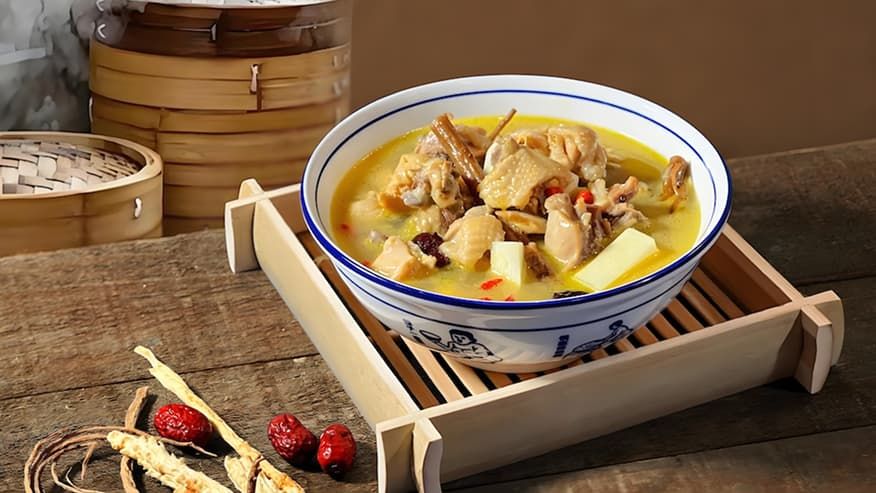
Ginseng chicken soup is the most widely known remedy dish. It is eaten all over northern and eastern China. Invigorating ginseng is simmered with whole chicken, dates of the jujube type, and goji berries. Locals believe it helps fight exhaustion and strengthens the immune system. The broth is light but enriched by the sweetness of the dates and berries, making it approachable even for those unfamiliar with Chinese herbs.
Goji Berries and Daily Balance
Goji berries, or gouqi, are perhaps the easiest of medicines to travel foods to try. These are little edible red berries that can be sprinkled on top of congee, be brewed into tea, or be placed in soup. The ancient medicine believes in their power to maintain sight and a healthy liver, and recent nutrition studies praise the high potential antioxidants. They are slightly sweet, and can be found both in the marketplaces and in restaurant foods.
Lotus Seed and Lily Bulb Desserts for Serenity
Southern China’s evening snacks of lily bulb and lotus seed sweet soups are popular among the locals. Lotus seeds are said to digest easily and calm the mind, and lily bulbs are linked to building the lungs and calming restlessness. Very slightly sweet and warm, the soups are gentle introductions to medicinal food and a comfort food staple for the locals.
Angelica Root Stews for Circulation
Otherwise known as danggui, angelica root is added to herbal stews, especially for women. Angelica is slow-cooked along with lamb or chicken and jujubes, along with ginger in most medicine-wise eateries. It is usually consumed during the colder months, when it is viewed as especially important to nourish the body.
Herbal Teas for Everyday Well-Being
Tea culture crosses with medicine throughout China also. A decoction of chrysanthemum flowers, as well as a dried hawthorn or honeysuckle, is often drank to help cool and digest. Even a walk in a local tea shop may include blends that relax, energize and even health. The teas are the easy-entry points of the travelers because they are refreshing and mild in tastes.
Black Chicken with Traditional Herbs
Black-bone chicken or silkie, cooked with herbs like astragalus root and Chinese yam is another specialty. The dark-skinned chicken is appreciated in terms of its nurturing properties and this soup made with herbs is regarded to build resilience and be of use in recovery. It is a specialty that is frequently concentrated in areas like Guangdong where the main focus is on light but intensely flavored soup.
Experience Medicinal Cuisine
For tourists, the eating of these foods is as much a matter of culture as of culinary delight. Medicinal venues are also a lot more widespread in large cities in China such as Beijing and Guangzhou, where traditional medicine is combined creatively with common flavors. Notably, these foods are intended to be consumed like any other meal where flavor will always come first even when nutritional gains are at play.
A Journey of Taste and Tradition
China’s medicinal foods show the way in which food and health are so thoroughly intertwined in local culture. Whether it is the restorative warmth of ginseng chicken soup or the calming sweetness of lotus seed sweets, each dish has history in its stores but has flavor that is accessible to consumers today. To the travelers, the tasting is not merely healthy but also fun linking people of generations together to wise thoughts into each day meals.
Be adventurous and open minded in your eating when you are thinking about your trip. You might discover that a bowl of soup or a handful of berries or a pot of herbal tea can taste like more than a meal but an experience of the living traditions of China.