Wild Heart of Hohhot Grasslands Temples and City Life
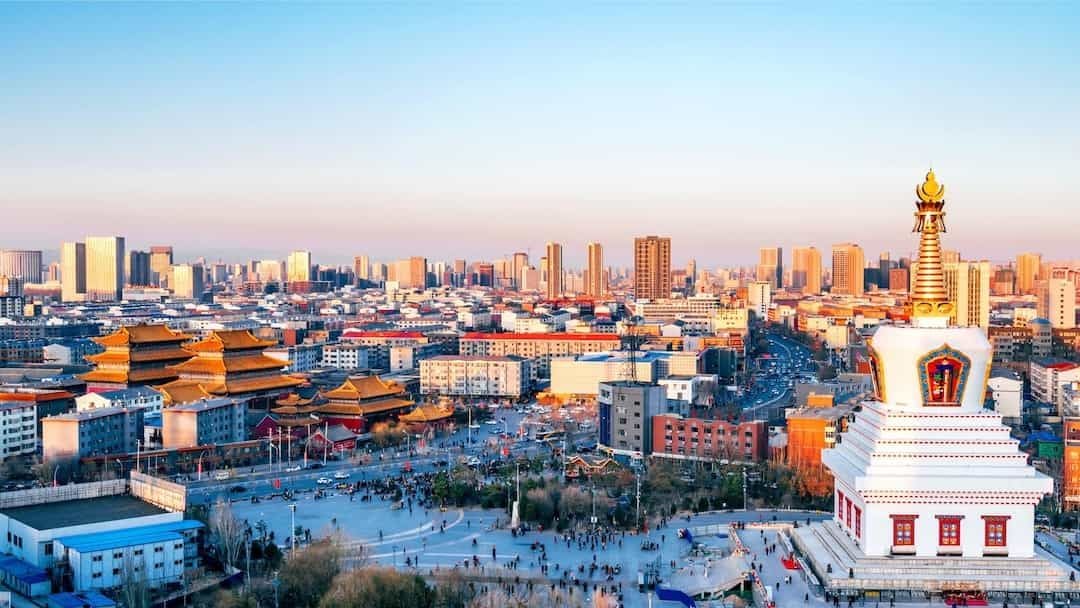
Hohhot could surprise you in ways you’ve never imagined before. This Inner Mongolian capital is more than just a non-stop patchwork of grasslands—here’s a city of desert escapades and Buddhist temples, of ancient statues of silver mingling with dinosaur bones, of singing sand dunes to slip and slide down in the morning and a 400-year-old monastery to explore in the afternoon. Are you ready?
1. Inner Mongolia Museum
This contemporary museum in Hohhot opened in 2007 with its present site covering more than 50,000 m². It has a collection of exhibitions which include the dinosaur fossils up to the nomadic Mongolian artefacts such as the saddles, the costumes and the traditional tents. The museum is located close to Xinhua East Street and the East 2nd ring road and is a beacon to the history and culture of the region.
2. Dazhao Temple
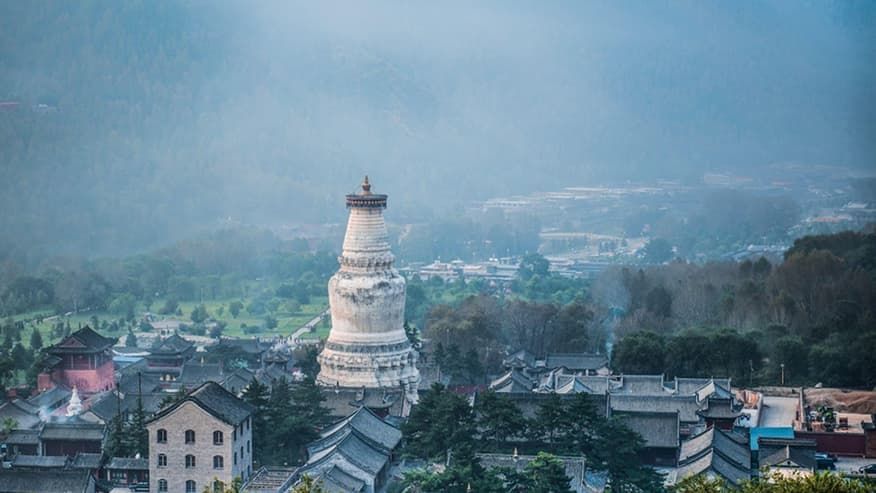
This Tibetan Buddhist complex was constructed in 1579–1580, under the reign of the Ming dynasty. This is the oldest and largest temple in all of Hohhot. In it stands a statue of Sakyamuni Buddha that is made of silver, as well as murals, in a Han Chinese and Tibetan architectural style. This lies in the Yuquan district.
3. Five Pagoda Temple (Wuta Si)
Situated near Qingcheng Park, this unique temple is topped with five stone pagodas which house over 1,500 relief Buddhas, a unique Mongolian map of astronomy, and detailed stonework that was completed in 1732. This building is a unique and picturesque spot regardless of whether it is in or out of season.
4. Zhaojun Tomb
This green mound is positioned a few kilometers south of Hohhot and it is dedicated to one of the representatives of the Han dynasty Wang Zhaojun who is remembered to have married a nomadic Xiongnu chieftain. The location is surrounded by the landscaped gardens, and the mound measures 33 meters tall and features statues among tranquil walks. An oasis of peace, which unites town and country.
5. Saishang Old Street & Muslim Quarter
In the old town of the city, Saishang Old Street and adjacent Muslim Quarter offer markets and food stands, courtyards, and a grand mosque that dates from the Qianlong period. This is a good place to experience street food and view cultural fusion.
6. Gegentala Grassland
This is a true Mongolian steppe experience that you can have just outside of Hohhot. This grassland lets you experience horse riding, overnight stays in a yurt, as well as BBQs under the open sky. This is a total contrast to your city experience.
7. Hadamen National Forest Park
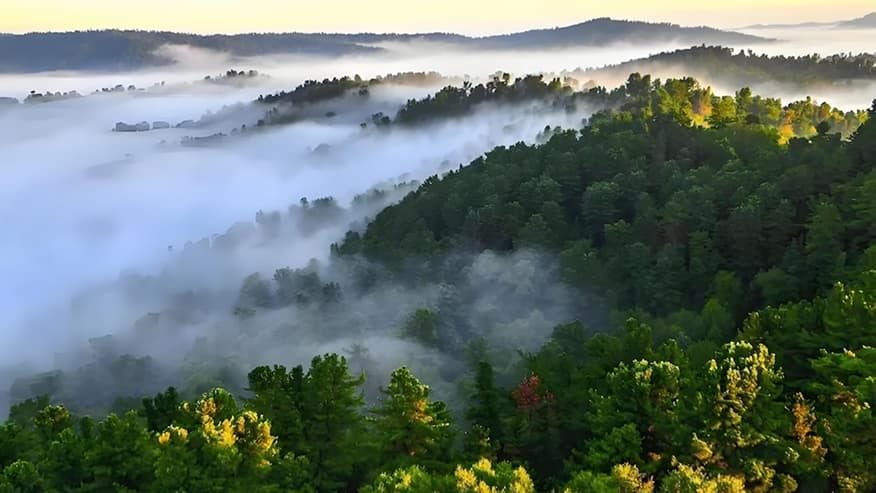
This wooded park is a cool visit to nature, a nature surrounding the city, with shaded paths, local picnic areas and panoramic views. Perfect when you need to have a tranquil hour or two of not going to temples and markets.
8. Laoniuwan Yellow River Grand Canyon Tourist Area
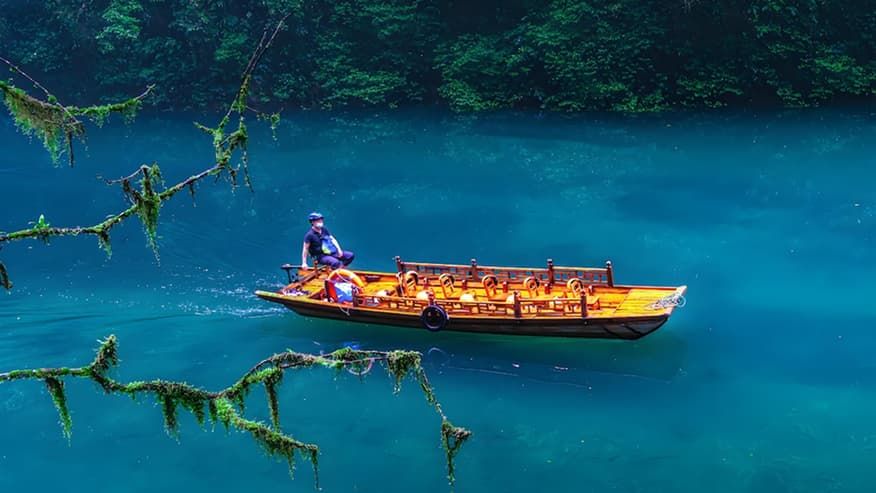
In a dramatized landscape, this section of the Yellow River provides boat tours, high precipices and panorama views of the river valley scenery of Inner Mongolia. Some more distance away, though it makes the difference of outdoor adventure.
9. Horse-Racing Festival on the Grasslands
In summer, there are vibrant horse-racing activities on the surrounding grasslands based on Mongolian culture an exciting blend of competition, tradition and the outdoors. Be part of cheering, experience the rhythm and immerse in the festival.
10. Local Cuisine & Mongolian Tea
Nothing is ever complete without trying out local delicacies such as lamb that is cooked in a Mongolian manner, milk tea that is made using grassland milk, and barbecue done in an open setting. This is in addition to visiting temples.
11. City Walks & Evening Culture
After all your exploration in temples and surrounding landscapes, you can get back to Hohhot’s city center for an evening walk. In fact, in the city center of Hohhot, you will find a fusion of Xinhua Avenue and new café bars with local music, together with old alleys and tea houses as well.
From marble religious halls to wide open grasslands, Hohhot brings together cultural depth, natural freedom and modern comfort. It is a place where you can visit urban temples in the morning, and go wander through expansive views of the steppe in the afternoon. Bring along a warm outfit (and in spring and fall when nights are cool) and walk about, or rather go riding, and hear the gale of horse-hooves on the grass and get Hohhot to share with you a side of north China you will not forget